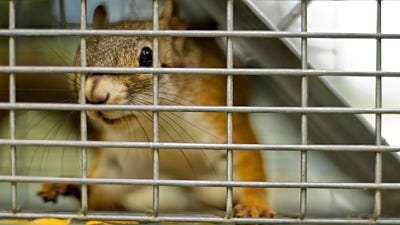
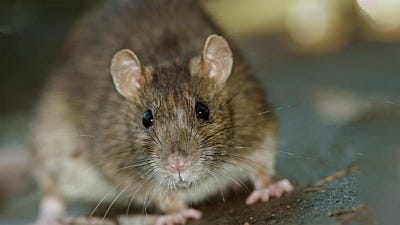
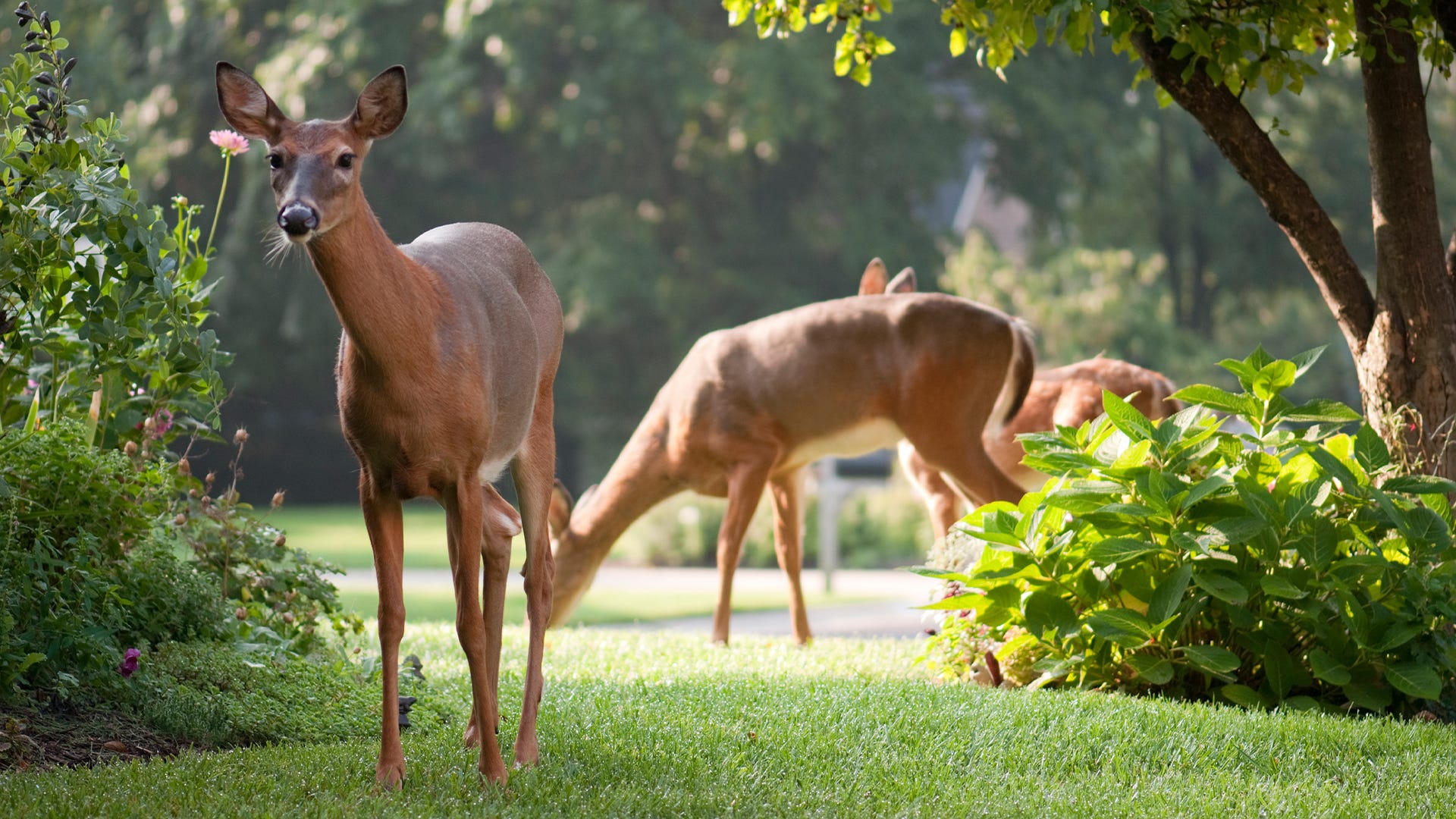
Why do you have unwanted animals on your property? There are many things homeowners do that may be invitations to unwanted animals, such as keeping pet dishes outside. It may seem obvious, but taking your pet’s food and water dishes inside can prevent hungry animals, including stray cats and dogs, from prowling around. There are simple things that you can do to prevent nuisance animals from making a home on your property.
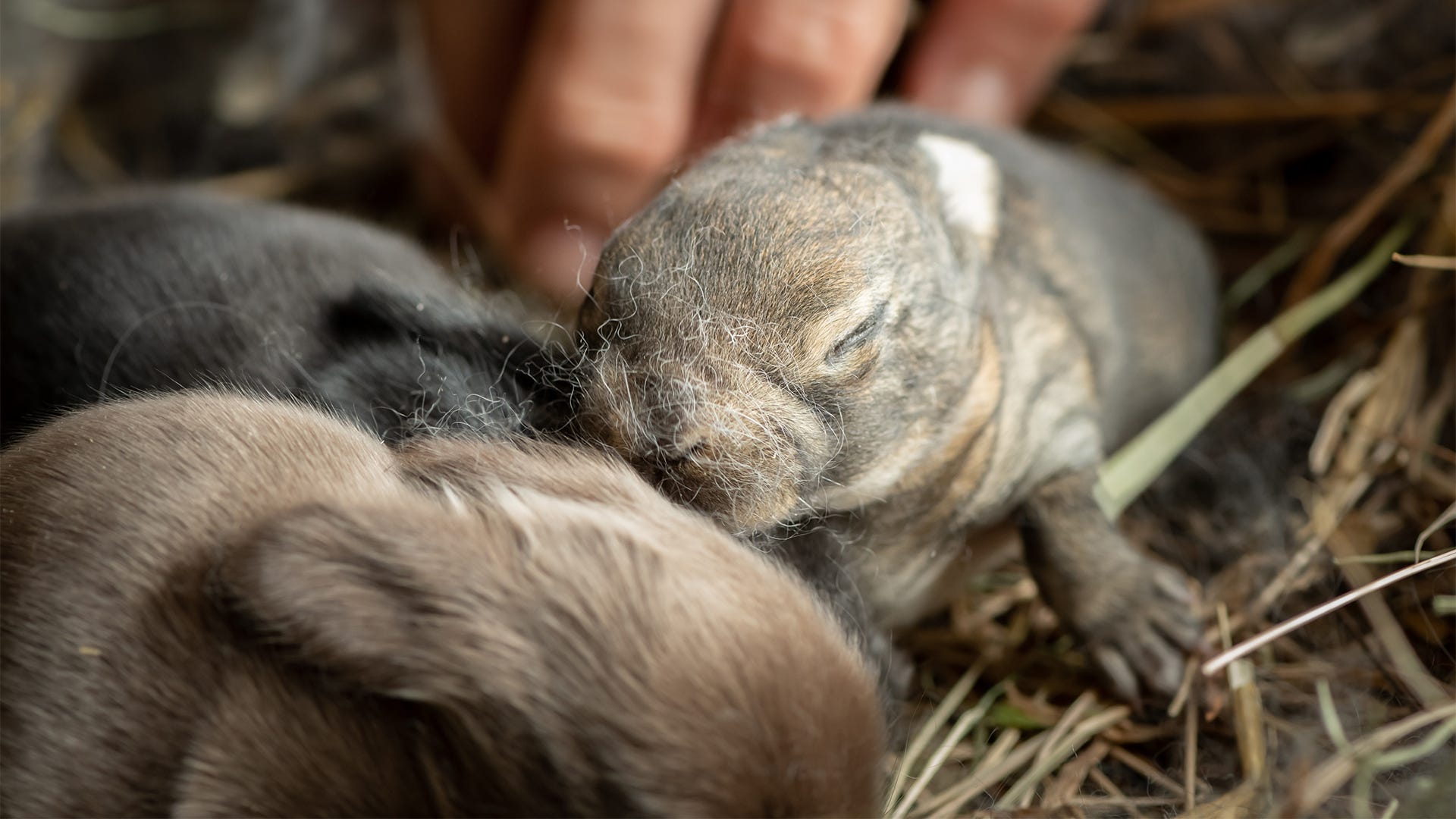
You may be thinking "how do I keep rabbits out of my yard?" To repel rabbits, make sure you get rid of places that they like to hide. Clear brush piles and other areas of your property that could become a hiding spot or shelter for them. Rabbits are shy creatures that will take cover and hide wherever they find a good spot. Make sure you keep your bushes trimmed to reduce potential hiding places. Also, some thick trees can offer a dense area at the base in which rabbits tend to hide. Cut any low-lying tree branches so they are at least 3 feet from the ground.
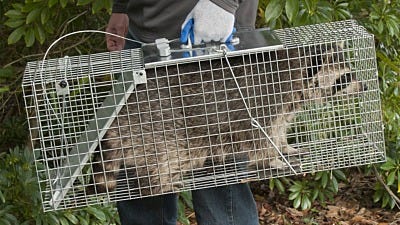
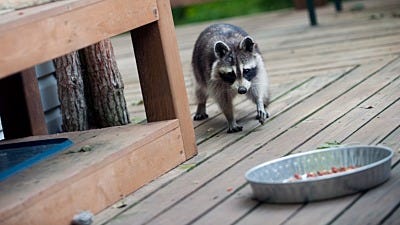
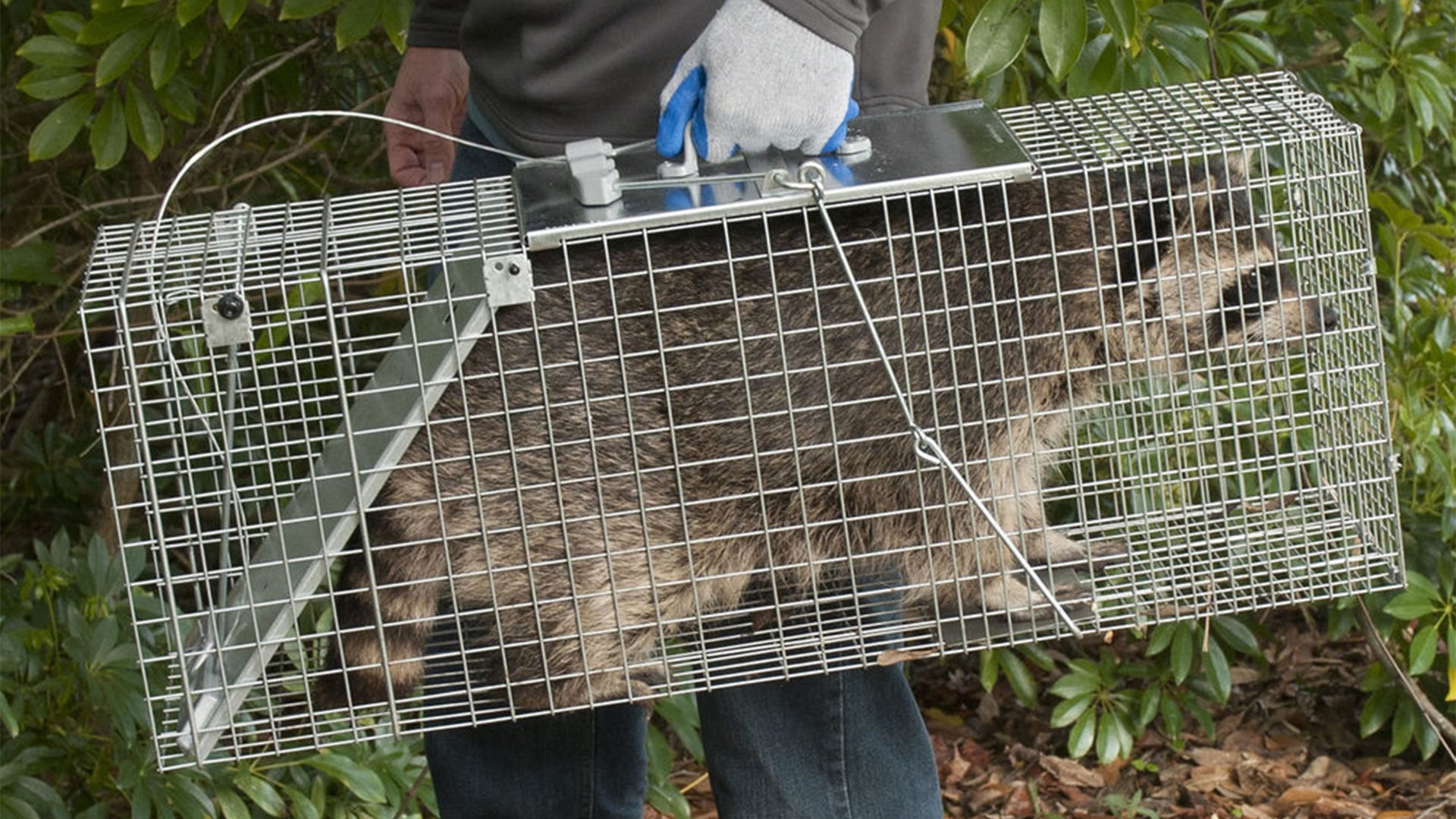
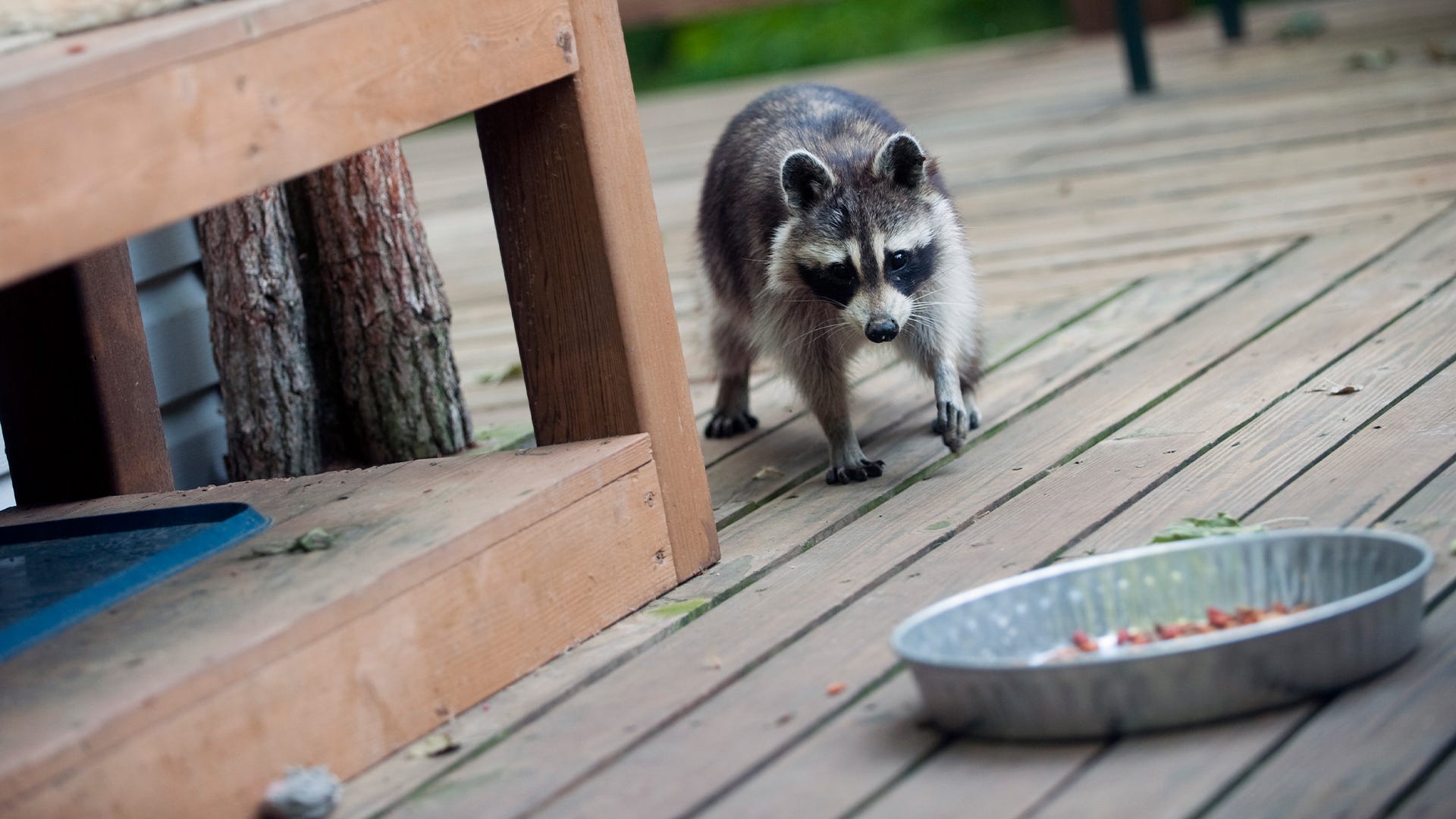
Once you’ve cleared the area where rabbits harbor, preventative and exclusion methods such as fencing and repellents are great options to control rabbits and keep them out of your landscaping. Chicken wire or hardware cloth are good fencing solutions when raised two to three feet high and buried two to three inches deep in the ground. Rabbit repellents that use a scent or taste deterrent , are also an effective solution … and, for those budget conscious gardeners, repellents are certainly a less expensive solution than fencing. Raccoons, who tend to be very smart and agile, will venture into many interesting places in and around your home. In fact, they are notorious for getting into trashcans, so it’s important to make sure yours are secure. Since raccoons have human-like hands which enable them to pry lids open, it important to buy cans with tight-fitting lids or you could also use a cord to tie the lid down and keep it secure.
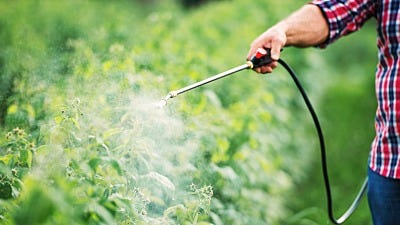
Raccoons have also been known to get into your home through the attic, chimney, or pet door – make sure you identify these potential areas and close off the raccoon’s access to these areas. A secondary line of protection for your garbage cans or other areas raccoons frequent on your property is to use a liquid animal repellent, like Critter Ridder®, that contains a taste deterrent such as capsaicin or piperine. Spraying this onto your trash cans will work to irritate the raccoon if it smells, tastes or touches the area you sprayed, training them that your garbage isn’t very tasty.
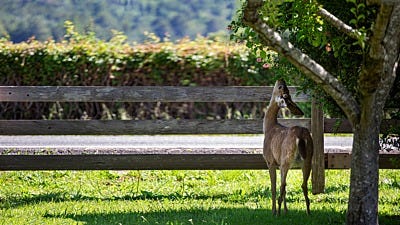
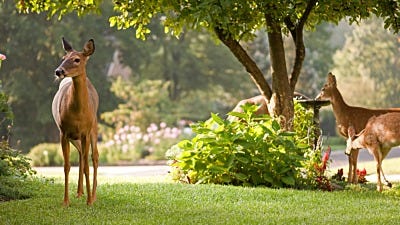
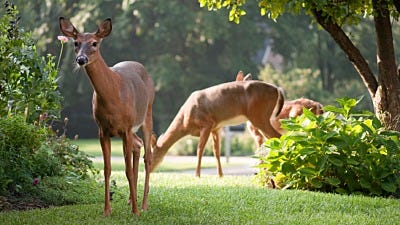
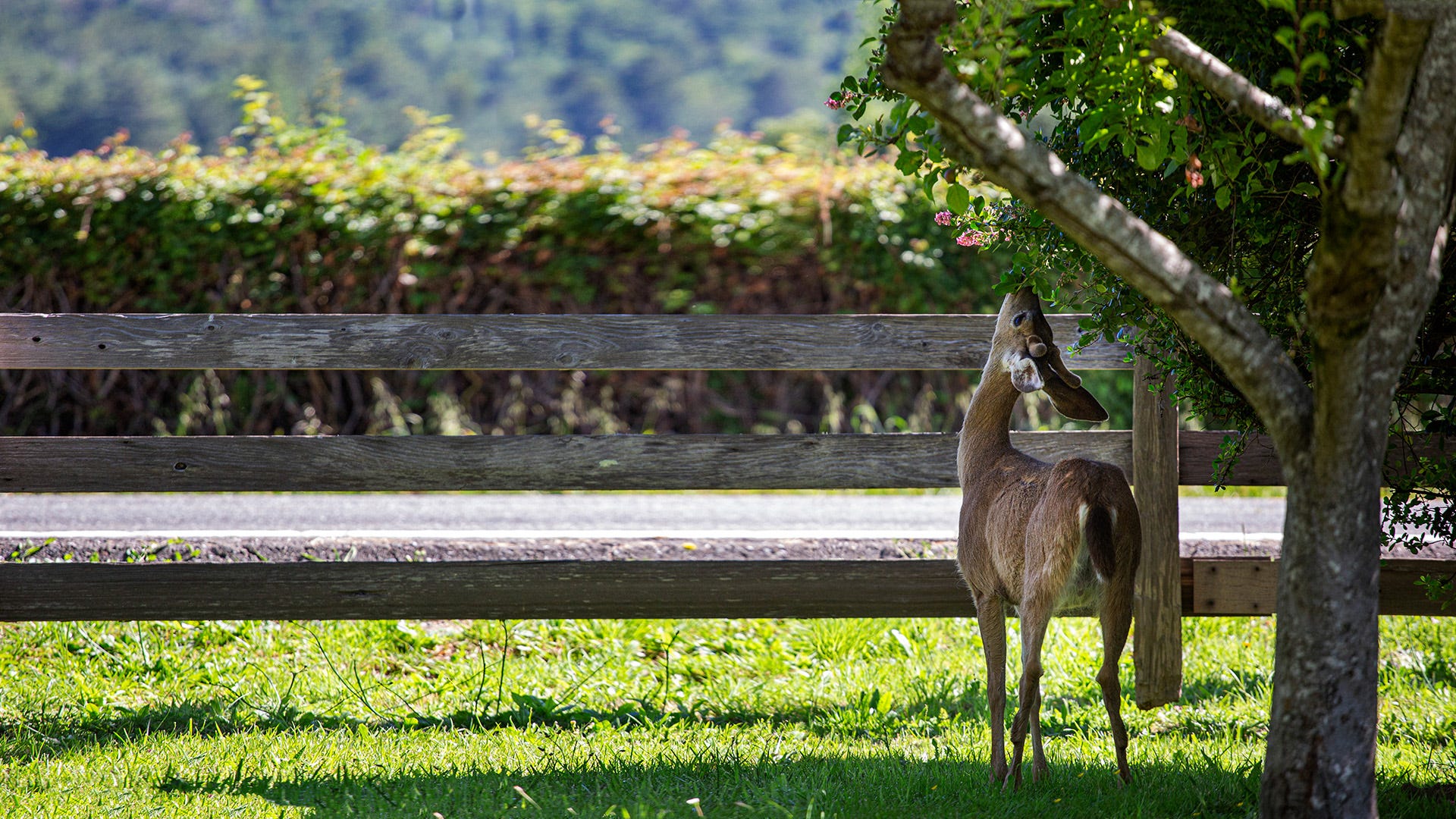
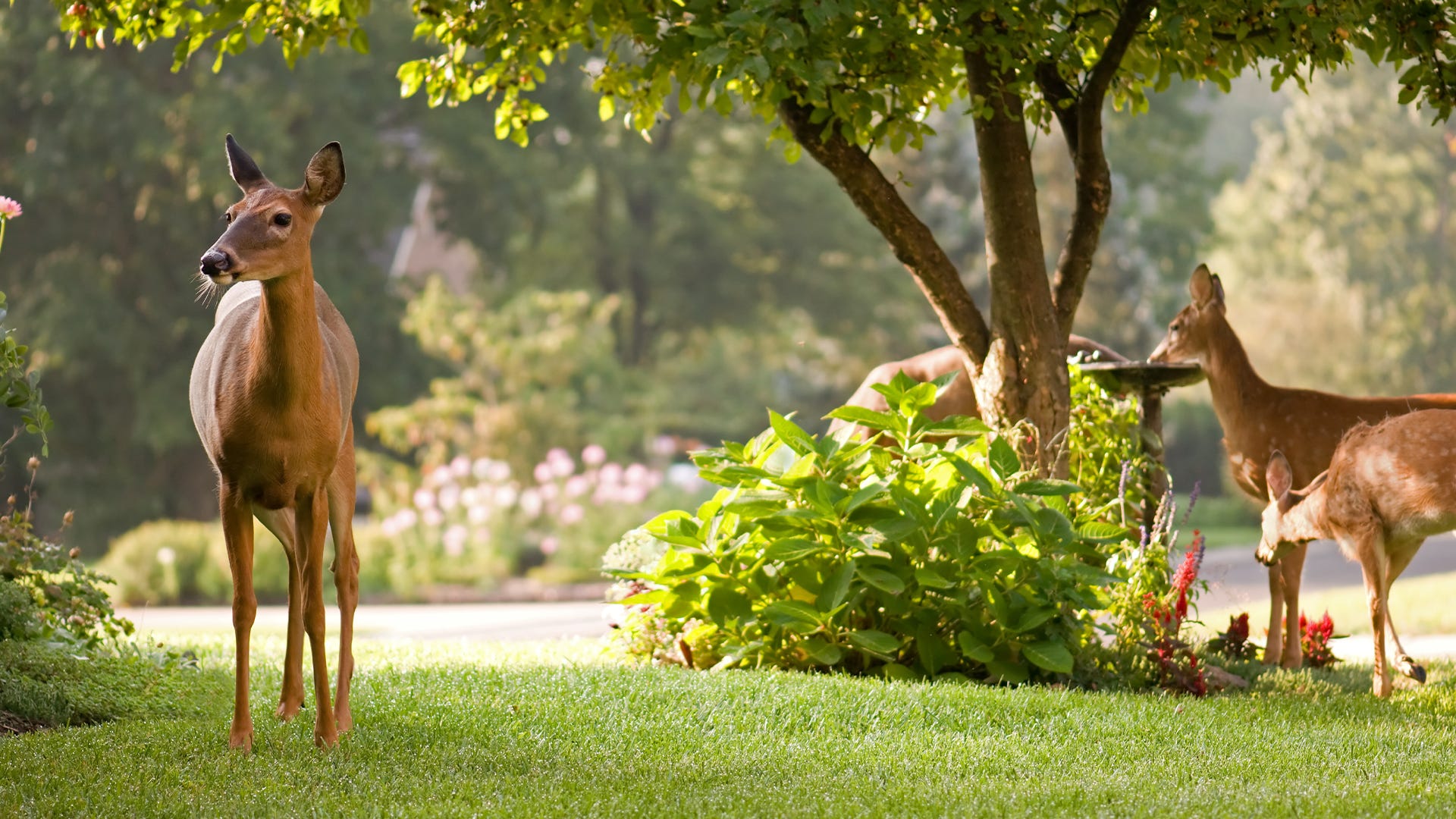
Keeping deer away from your favorite trees or garden can also be a struggle. Growing deer-proof plants and flowers may help deter deer from your yard or garden to some extent, but when greens become scarce, a hungry deer will eat just about any plant. Using a deer repellent for plants, or, even better, an innovative new electronic deer repellent can scare deer off you property and train them to stay away. This is a great chemical-free option, particularly if you have deer frequenting your vegetable garden. Using the tips above along with a repellent will help you keep your yard nuisance animals-free. For more tips to stop the animal damage in your yard, visit the Havahart® Critter Library and click on your nuisance animal to learn all our expert’s tips and other solutions you can use to help increase your odds of winning against these pesky critters.


Just like the use of peppermint oil is for mice. Is there any home remedy that can be made to get rid or raccoons. They found themselves in the ceiling and are in the walls….. They fight and brawl sometimes til 5a.m.

Hi Dawn,
We’ve heard of people having success with peppermint oil for raccoons as well, but we do offer a product called Critter Ridder®, which is an organic repellent that works on raccoons. You can spray this around the entry to your attic, or place the granules in the attic to discourage the raccoons from staying there. http://www.havahart.com/ourbrands/critter-ridder
Thanks!
Your Friends at Havahart®