Login
wild neighborhood
  • Blog
  • Share
  • Connect
  • Learn
facebook twitter youtube rss

Content on this page requires a newer version of Adobe Flash Player.

Get Adobe Flash player

Stray Dog

Quick Stray Dog Facts

  • Dogs communicate by: scent, body position, movement, vocally and facial expression
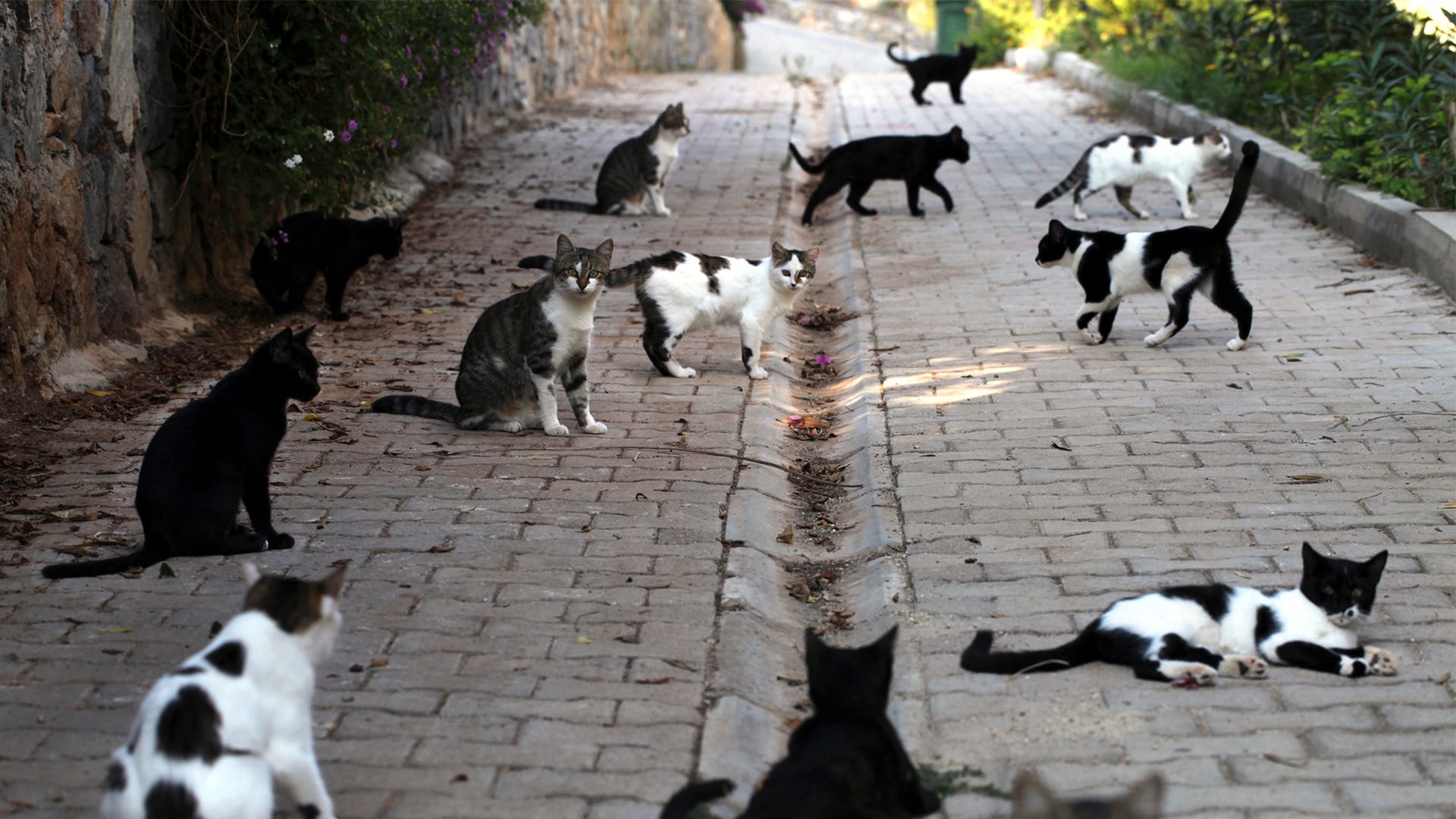
  • Dogs are pack animals so it isn’t uncommon to see a group of stray dogs together
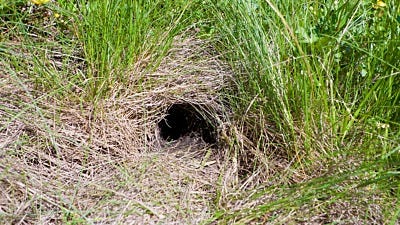
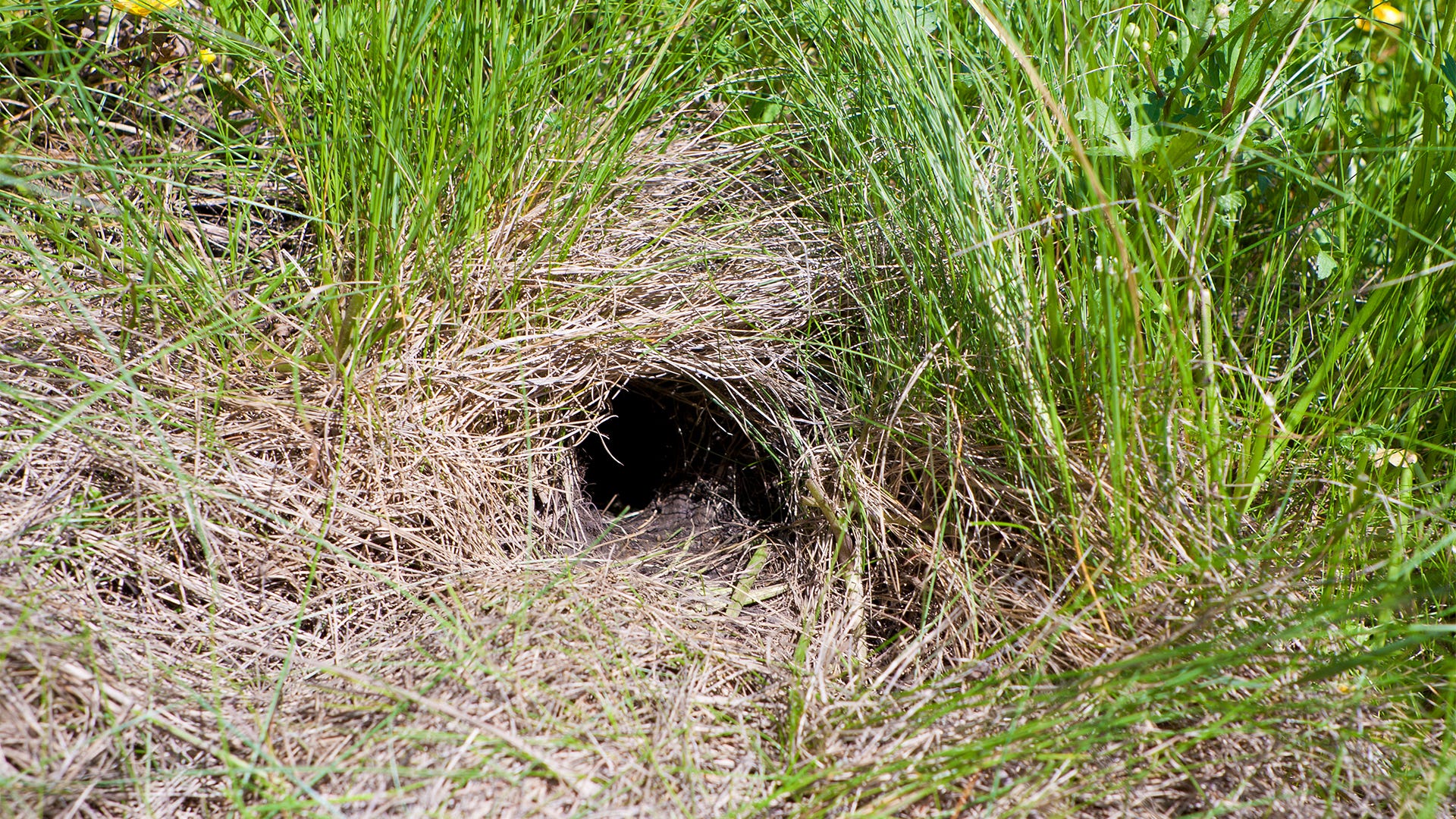
  • Stray/Feral dogs make homes in abandoned vehicles, buildings, or old fox and coyote dens
  • They will prey on livestock, chicken, rabbits, rodents, and eat out of garbage cans
  • Diet: Omnivore
  • Raisins or grapes, onions, chocolate and apple or pear seeds can be toxic to dogs
  • Dogs can have 18 or more muscles in one ear


  • There are an estimated 400 million dogs in the world
  • A dog’s nose print is as unique as a human finger print

Stray Dog

Is your nuisance animal a Stray Dog?

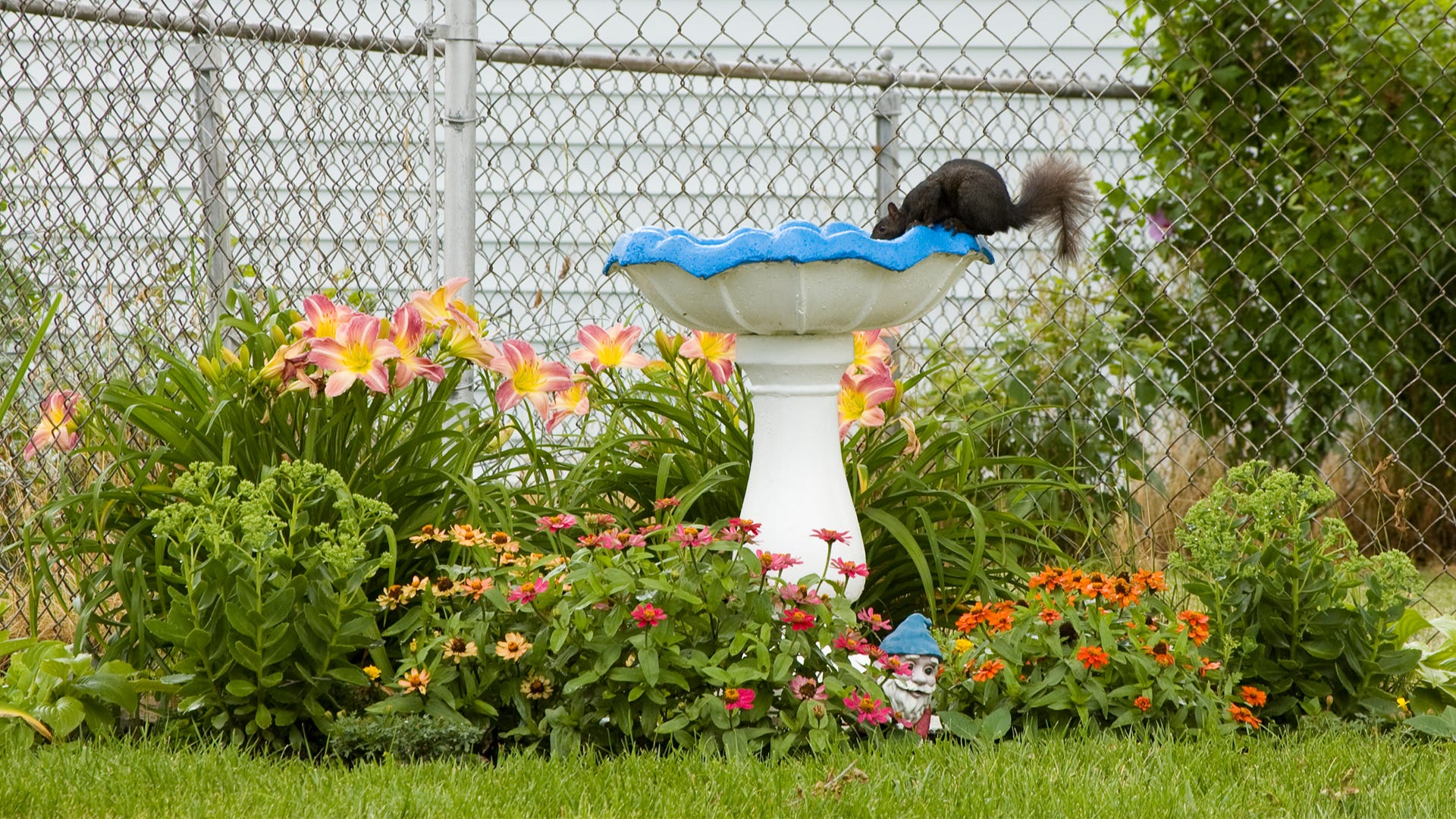
Stray dogs are becoming an increased problem in the United States, with tens of thousands of stray dogs roaming farms, cities and neighborhoods.  Stray dogs will often come around looking for food, and in the process may destroy your flower beds and yard.

havahart® Stray Dog solutions

Repellentssprayaway2 Learn About Stray Dogs

Dogs have a tendency to dig and get into your plants and flower beds.  To keep them away from these areas, you’ll want to use a repellent that’s powerful enough to tell their senses to stay away.  Havahart® Critter Ridder is a good multi-surface and perimeter protection solution. It contains hot pepper ingredients that will burn a dog’s sense of taste, smell, and touch when they come into contact – like if you ate a really hot pepper.  The spicy sensation will condition the dog to stay away from the protected area.

Motion activated sprinklers are another good dog control option.  Havahart® Spray Away’s use only water and noise to repel stray dogs, and can be placed anywhere in your yard – a less obtrusive solution to fencing.  They work by using infrared sensors to detect the animal’s heat and movement, and spray a quick burst of water when the animal gets near the protected area.


live trapping

The trap:
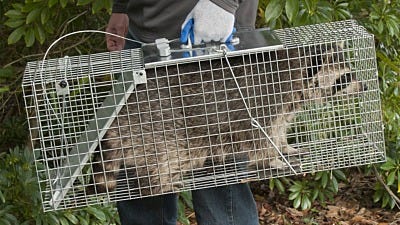
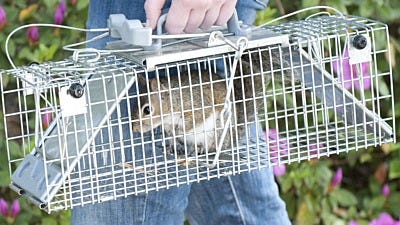
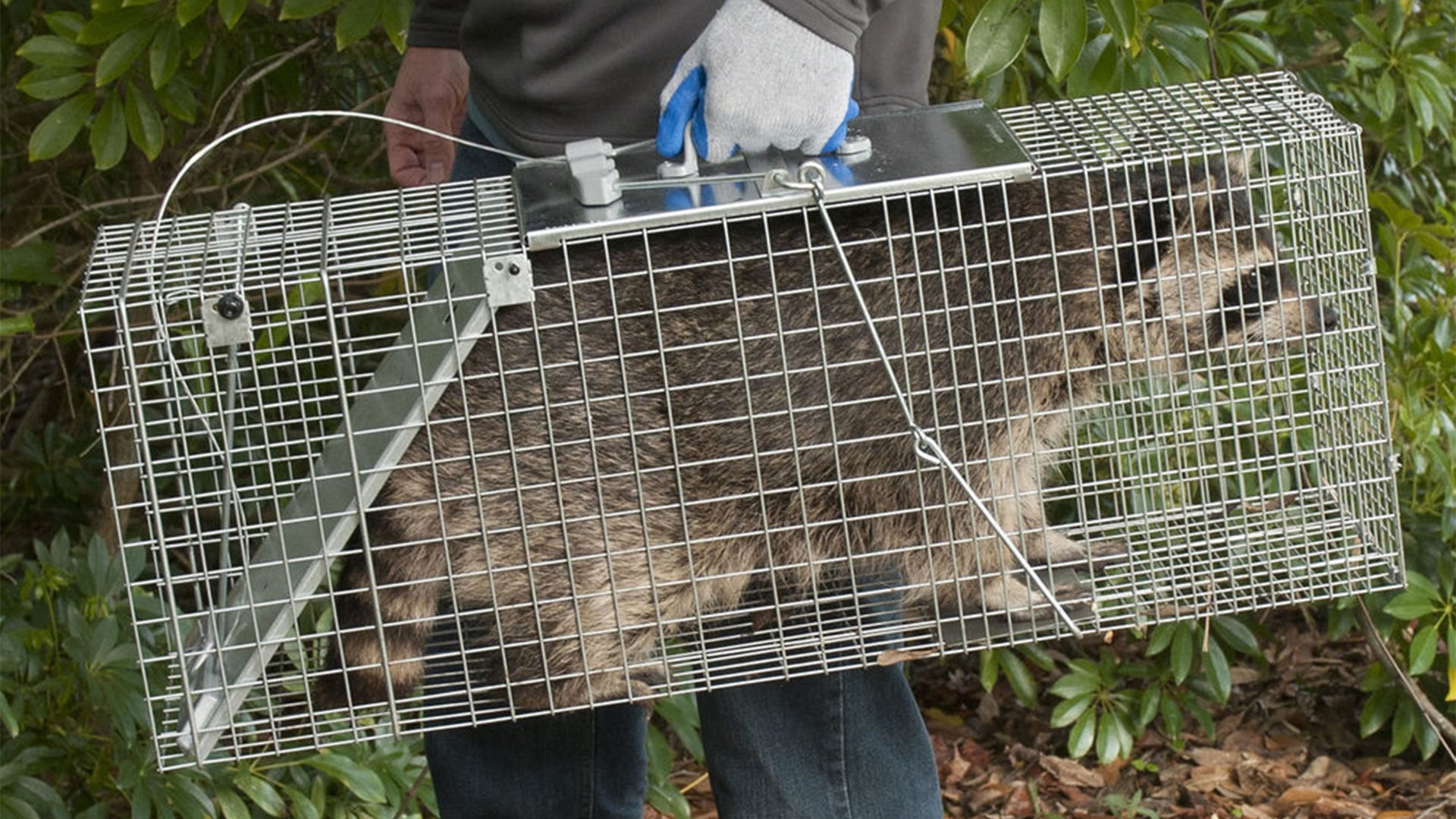
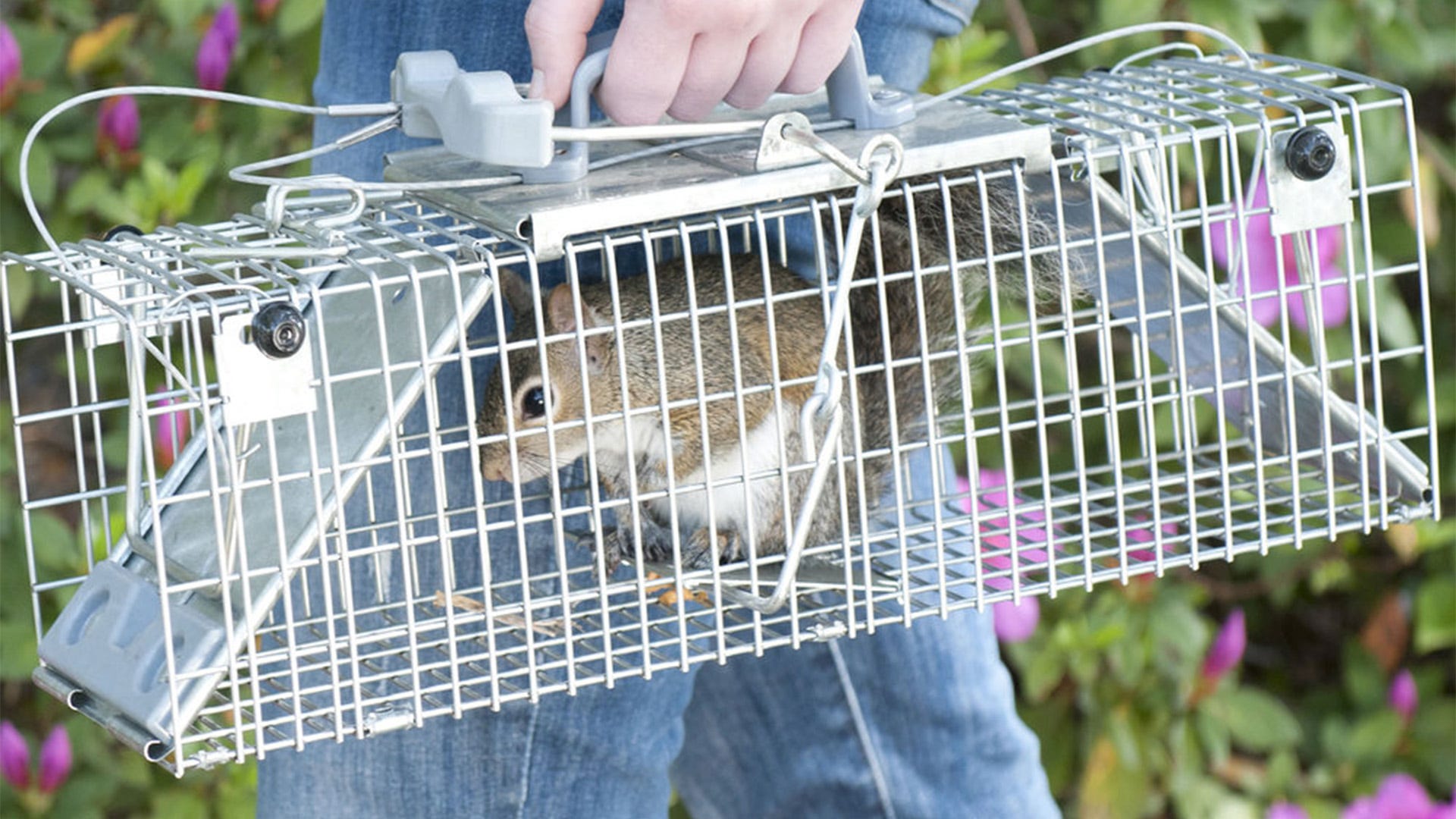
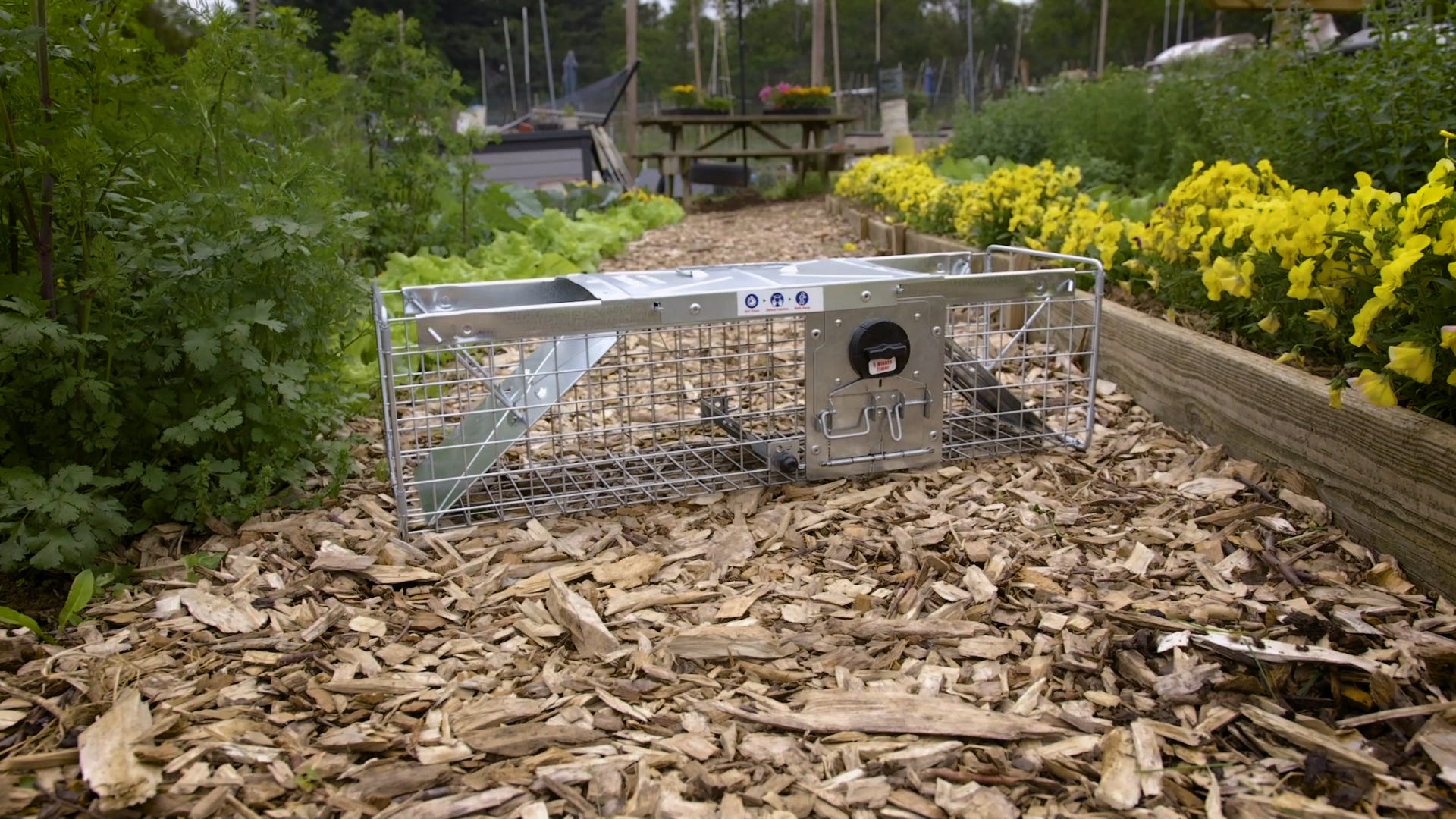
Another option, if you have a stray dog problem is to use a humane cage trap large enough to capture the stray animal. Make sure to bait the trap with an enticing snack, and place the trap in an area the dog frequents in your yard. Be sure to have a plan in place for once you’ve trapped the stray!dog 1081 Learn About Stray Dogs

The placement:
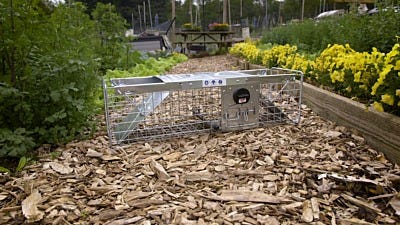
Place the trap in an area the dog frequents in your yard. Once you catch the stray dog, you can take it to the humane society or another local animal rescue to find the rightful owner if it’s lost, or put up for adoption.

The bait:
Use a small plate to place the bait at the end of the live trap. Bait the trap with an enticing snack:

  • Chicken
  • Beef
  • Hot dogs
  • Canned dog food

Expert Tips

  • Check with your local veterinarian or dog shelter to rent or borrow an appropriate trap
  • Even if the dog seems friendly, be careful as stray dogs can be frightened, injured or even in pain causing them to bite
  • Feral and stray dogs are usually secretive and wary of people and are most active at dusk, dawn or even overnight; make sure to plan your trapping keeping in mind your stray’s schedule
  • When baiting a trap for a stray dog, do not use bones.; as these could choke the dog
  • Cover the trap with a blanket – it may be more enticing for the dog and once trapped it will feel more protected
  • If you aren’t sure if the dog is a stray or feral dog, be sure to contact your local humane association before you release the animal; feral dogs are not used to human contact and may be more aggressive
  • There are now Trap, Neuter, Return programs for feral dogs that are not considered adoptable; neutered dogs are less aggressive – the dogs can live a much happier life in the company of other dogs
Comments 0

user comments (0)


Leave a Comment

Click here to cancel your reply.


Learn With Havahart's Wild Neighborhood

Dig in and learn from Havahart®! Every animal is unique. What works for one may not work for another, so the repellents, traps and baits you use in your yard and garden should be unique to your specific animal. Havahart®’s Wild Neighborhood is here to help! Simply choose your nuisance critter and learn the tips you need to successfully rid your yard of your nuisance critters.

Havahart fan of the month

help give back Learn About Stray Dogs

House Rules

We want you to leave comments and ask us questions in this neighborhood. However, we will review all comments before they go live, and will not post any that are inappropriate or offensive. We will only post comments that relate to the subjects covered by this blog, and may need to edit some of the comments from time to time. Please understand that comments posted to this site do not represent the opinions of Havahart®.

E-Newsletter Sign-Up! Get 10% OFF EVERY ORDER
Required Bad Email Addres
  • Blog
  • |
  • Share
  • |
  • Learn
  • |
  • Connect
  • |
  • Contact
  • |
  • Site Map
  • |
  • Havahart.com
© 2011 Woodstream Corporation